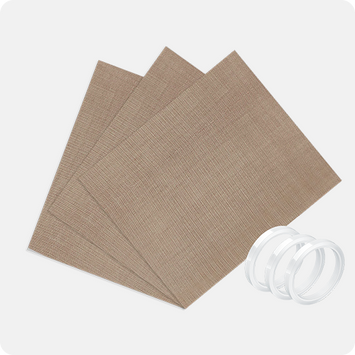
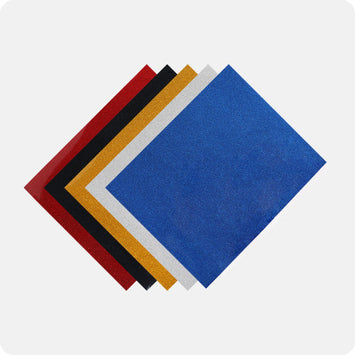
Personalized apparel and DIY crafting have become more popular than ever. From custom t-shirts and tote bags to handmade gifts and small Etsy businesses, more people are starting to create unique products from home.
But when beginners enter the world of heat transfer crafting, one question always comes up:
Should you choose HTV or sublimation?
Both methods are widely used in the customization industry, but they work in very different ways. The right choice mainly depends on your projects, fabric types, budget, and creative goals.
In this complete guide, we’ll compare HTV and sublimation to help you decide which method is best for your custom creations.

What Is HTV?
HTV, also known as Heat Transfer Vinyl, is a material that is cut into designs and then applied to fabric using a heat press machine.
HTV is especially popular for:
- custom t-shirts
- sweatshirts
- tote bags
- hats
- kids’ clothing
- beginner DIY projects
The process is simple:
- The design is cut from vinyl
- The excess vinyl is removed
- The design is heat pressed onto the fabric
HTV is available in many finishes, including:
- matte
- glossy
- glitter
- holographic
- metallic
- fluorescent
This makes it perfect for creating stylish and eye-catching designs.
Advantages of HTV
Compatible With Many Fabric Types
One of the biggest advantages of HTV is its versatility.
It works well on:
- cotton
- polyester
- cotton-poly blends
- dark fabrics
This is a major advantage over sublimation.
Beginner-Friendly
HTV is often considered the best option for beginners.
Why?
- easy to learn
- minimal equipment needed
- fast visible results
- ideal for small batch production
Great for Trendy and Minimal Designs
HTV works especially well for:
- text designs
- names
- logos
- minimalist artwork
It’s also perfect for:
- sportswear
- personalized gifts
- trendy Pinterest-inspired projects
Disadvantages of HTV
HTV requires more manual work, especially during the weeding process.
In addition:
- large multi-color designs can be time-consuming
- thicker vinyl finishes may slightly affect fabric softness
- layering multiple colors requires more experience

What Is Sublimation?
Sublimation is a printing method that uses heat to transfer ink directly into the fibers of a material.
Unlike HTV, the design becomes part of the fabric itself rather than sitting on top of it.
Sublimation is widely used for:
- sportswear
- custom mugs
- phone cases
- mouse pads
- photo products
- full-color graphic designs
Advantages of Sublimation
Ultra-Soft Feel
One of the biggest benefits of sublimation is the smooth finish.
Since the ink becomes part of the fabric, the material keeps its natural softness and flexibility.
Bright and Vibrant Colors
Sublimation allows you to create:
- gradients
- high-resolution images
- photo-realistic designs
- vibrant full-color prints
This makes it ideal for detailed and artistic designs.
Excellent Durability
Because the ink is infused into the fibers:
- designs do not crack
- they do not peel
- they remain durable after many washes
Disadvantages of Sublimation
However, sublimation also comes with several important limitations.
Mainly Works on Polyester
Sublimation works best on:
- white polyester
- light-colored fabrics\specially coated sublimation blanks
It does not work well on:
- dark fabrics
- black shirts
- regular cotton materials
Higher Startup Cost
To begin sublimation printing, you usually need:
- a sublimation printer
- sublimation ink
- sublimation paper
- a heat press machine
The startup investment is often higher compared to HTV.
HTV vs Sublimation: Key Differences
| Feature |
HTV |
Sublimation |
| Beginner Friendly |
Very easy |
Moderate |
| Works on Cotton |
Yes |
Not recommended |
| Works on Dark Fabrics |
Yes |
No |
| Multi-Color Designs |
Limited |
Excellent |
| Fabric Feel |
Slight texture |
Ultra soft |
| Startup Cost |
More affordable |
Higher |
| Durability |
Very good |
Excellent |
| Special Effects |
Glitter, holographic, metallic |
Limited |
Which Method Should You Choose?
For Beginners
HTV is usually the better choice.
It’s easier to learn and allows you to create personalized projects quickly without a large investment.
For Small Businesses
Both methods can work well depending on your business model.
HTV is ideal for:
- personalized orders
- small batches
- custom one-off designs
Sublimation is better for:
- repeated production
- colorful graphics
- sportswear printing
For Dark Fabrics
HTV is clearly the better option.
Sublimation does not perform well on black or dark-colored materials.
For Artistic and Photo Designs
Sublimation provides better results for:
- gradients
- detailed illustrations
- photo-quality prints
Can You Combine HTV and Sublimation?
Yes — absolutely.
Many creators combine both methods to achieve unique and premium-looking results.
For example:
- sublimation + glitter HTV
- sublimation + metallic details
- layered mixed-media effects
This trend has become especially popular on Pinterest and Etsy.
Our Recommendation for Beginners
If you are new to custom crafting and want to create:
- t-shirts
- tote bags
- sweatshirts
- personalized gifts
Then HTV is usually the easiest and most versatile option to start with.
If you want professional-quality full-color designs on polyester materials, sublimation can be an excellent long-term investment.
No matter which method you choose, a high-quality heat press machine is essential for achieving clean, durable, and professional-looking results.

Conclusion
There is no single “best” method between HTV and sublimation.
The right choice depends on:
- your projects
- your fabric types
- your budget
- your creative style
HTV offers more flexibility and is perfect for beginners as well as custom designs on various fabric types.
Sublimation, on the other hand, is ideal for high-quality full-color printing on light polyester materials.
The most important thing is choosing the method that best fits your creative goals and personalization needs.


 Black Friday Gift