How to Start a T-Shirt Business in Europe (2026 Complete Guide)
The custom apparel market in Europe continues to grow as more people choose personalized clothing for businesses, events, gifts, and online stores. Whether you're planning to sell on Etsy, Shopify, Amazon, or your own website, starting a T-shirt business has never been more accessible.
The good news? You don't need a large factory or expensive commercial equipment. With the right heat press, quality vinyl or DTF transfers, and a clear business plan, you can launch a successful small business from home.
In this guide, we'll walk you through everything you need to know to start a T-shirt business in Europe in 2026.

Why Start a T-Shirt Business?
A custom T-shirt business offers several advantages:
- Low startup costs
- Flexible working hours
- High product demand
- Easy to operate from home
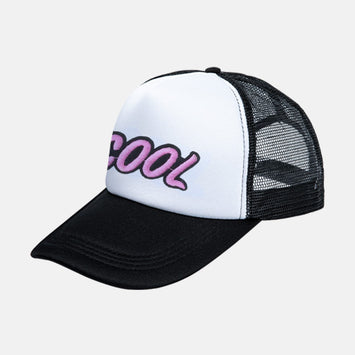
- Opportunities to expand into hoodies, tote bags, hats, and more
Many successful small businesses begin with just a heat press and a few basic materials before gradually scaling up.
Step 1: Choose Your Niche

One of the biggest mistakes beginners make is trying to sell to everyone.
Instead, focus on a specific audience.
Popular niches include:
- Fitness enthusiasts
- Pet lovers
- Family gifts
- Wedding parties
- Small businesses
- Sports teams
- Teachers
- Seasonal holidays
- Local events
A clear niche makes marketing easier and helps build a loyal customer base.
Step 2: Decide on Your Printing Method

Different printing methods suit different business goals.
Heat Transfer Vinyl (HTV)
Perfect for:
- Small batches
- Personalized names and numbers
- Sportswear
- Beginners
Pros:
- Affordable
- Easy to learn
- Excellent durability
DTF Transfers
Ideal for:
- Full-color designs
- Small businesses
- Complex artwork
Pros:
- Vibrant colors
- No weeding required
- Works on many fabrics
Sublimation
Best for:
- Polyester garments
- Sports apparel
- Promotional products
Not recommended for dark cotton shirts.
Step 3: Choose the Right Equipment

Your equipment directly affects production quality.
A beginner setup typically includes:
- Heat Press Machine
- Cutting Machine (optional for HTV)
- Heat Transfer Vinyl
- DTF Transfer Sheets
- Teflon or Protective Sheets
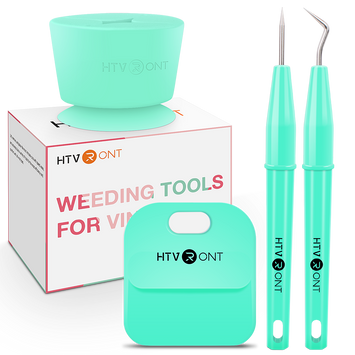
- Weeding Tools
- Heat Resistant Tape
If you're planning to produce multiple shirts every day, an automatic heat press can improve consistency and save time.
Step 4: Select Quality Blank Apparel
Not all blank shirts are created equal.
Look for:
- 100% Cotton
- Cotton/Polyester Blends
- Heavyweight fabrics
- OEKO-TEX certified materials when possible
Reliable garment quality leads to fewer returns and happier customers.
Step 5: Create Your Designs
You don't need to be a professional designer.
Popular design software includes:
- Adobe Illustrator
- Canva Pro
- CorelDRAW
- Inkscape
Keep designs clean, readable, and suitable for your target audience.
Step 6: Price Your Products Correctly
When calculating pricing, consider:
- Blank garment cost
- Transfer material
- Packaging
- Shipping
- Marketplace fees
- Labor
- Marketing expenses
Avoid competing solely on price.
Customers are often willing to pay more for better quality and faster delivery.
Step 7: Choose Where to Sell
Popular selling channels include:
Shopify
Great for building your own brand.
Etsy
Excellent for personalized gifts and handmade products.
Amazon Handmade
Suitable for established sellers.
Local Markets
Craft fairs and pop-up events remain popular throughout Europe.
Using multiple sales channels can increase your visibility and reduce dependence on a single platform.
Common Mistakes Beginners Should Avoid
Many new business owners make avoidable mistakes.
Common examples include:
- Buying low-quality equipment
- Using incorrect heat settings
- Ignoring fabric compatibility
- Underpricing products
- Offering too many designs initially
- Skipping product testing
Learning from these mistakes early can save significant time and money.
Tips for Growing Your Business
Once your first products are selling consistently, consider expanding by:
- Offering hoodies and sweatshirts
- Adding tote bags and hats
- Creating seasonal collections
- Selling wholesale to local businesses
- Launching personalized products
- Building an email list
Small improvements over time often lead to sustainable business growth.
Why the Right Heat Press Matters
Consistent pressure and accurate temperature are essential for producing professional-quality garments.
An automatic heat press can help reduce operator errors, improve efficiency, and deliver more consistent results—especially as order volumes increase.
Whether you're creating products for friends or building a growing online business, investing in reliable equipment can make daily production easier and improve customer satisfaction.
Final Thoughts

Starting a T-shirt business in Europe doesn't require a huge investment—it requires careful planning, quality materials, and the right tools.
Focus on serving a specific audience, produce products you're proud of, and continue improving based on customer feedback.
With patience and consistency, your small side project could grow into a successful business.
Ready to start creating? Explore HTVRONT's range of heat press machines, vinyl materials, and crafting essentials to build your business with confidence.
FAQ
How much does it cost to start a T-shirt business in Europe?
Many home-based businesses begin with an investment of around €500–€2,000, depending on equipment and inventory.
What's the best printing method for beginners?
Heat Transfer Vinyl (HTV) is often the easiest and most affordable option for new businesses.
Can I start a T-shirt business from home?
Yes. Many successful sellers operate from home using compact heat press equipment and online marketplaces.
Is the T-shirt business profitable?
It can be profitable when combined with a clear niche, quality products, effective pricing, and strong customer service.


 Black Friday Gift



)


